Hiring Most Trusted Pool Contractor
Choosing the Right Swimming Pool: Options and Design Inspiration for Your Backyard
Choosing the right swimming pool demands thorough evaluation of numerous styles and configurations. Every choice, spanning in-ground, above-ground, and inflatable pool types, offers distinct advantages and challenges. Recognizing these distinctions enables homeowners to make informed choices that suit their way of living and tastes. Because design and performance are equally important, exploring modern design trends and landscaping ideas becomes important. What factors should one prioritize to guarantee a properly completed installation?
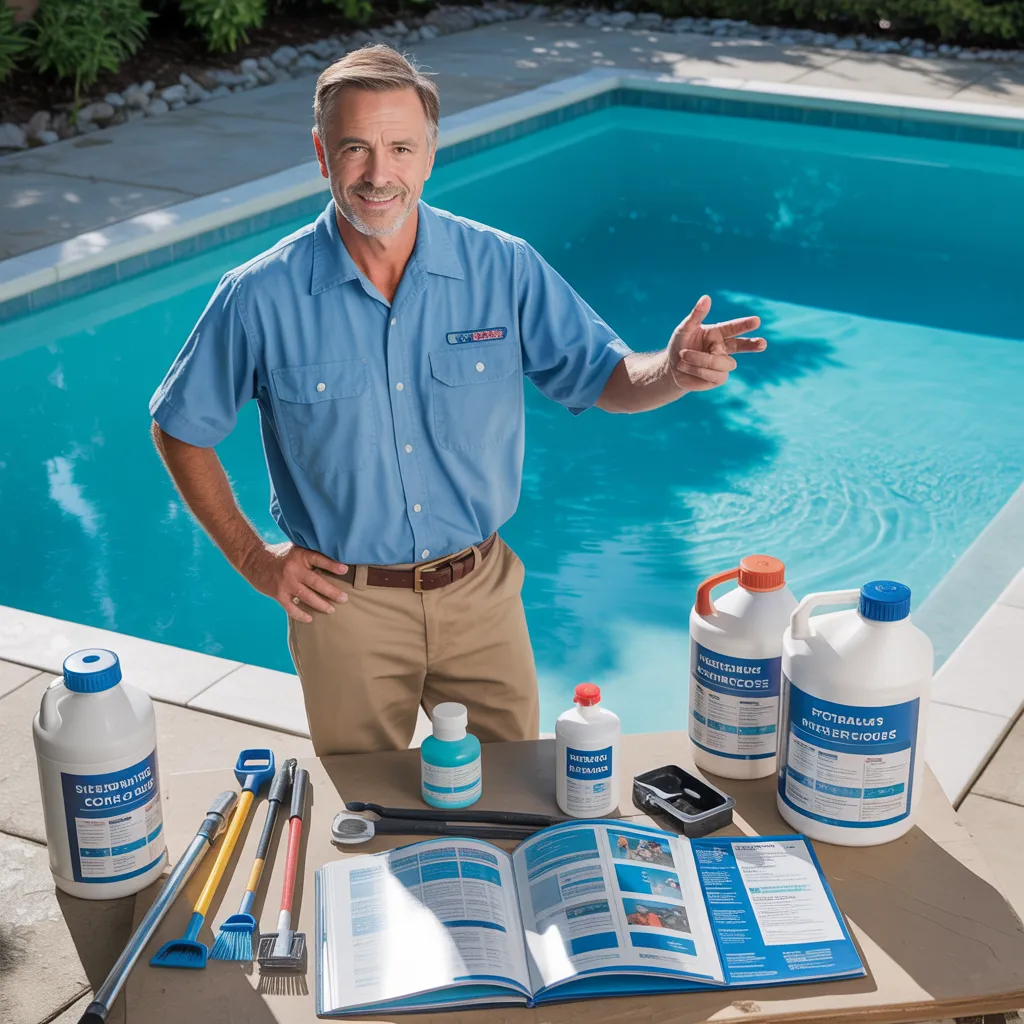
Which Swimming Pool Type Is Right for You?
Selecting the most suitable swimming pool type can be a challenging decision for most homeowners. A number of factors, including finances, yard space, and purpose, play crucial roles in this choice. Homeowners may consider options such as in-ground pools, aboveground pools, and even inflatable models.
Inground pools, often seen as a more lasting solution, enable a wide range of designs and customizations, catering to visual preferences and seamless landscape blending. Conversely, elevated pools offer budget-friendly pricing and straightforward installation, rendering them ideal for those with limited budgets or temporary needs.
Additionally, inflatable pools supply adaptability and ease, perfect for smaller spaces or seasonal use. Each option carries particular strengths and weaknesses, so future pool owners must thoughtfully examine their particular conditions. In the end, the best swimming pool choice should match long-term goals, lifestyle, and maintenance capacity, providing a fulfilling investment that enriches outdoor experiences.
In-Ground Pools vs. Above-Ground Pools: A Detailed Comparison
When considering a backyard pool, homeowners commonly face the choice between above-ground and in-ground options. Underground pools typically offer a more lasting and visually appealing solution, effortlessly merging with the backyard setting. They can be customized in shape, size, and materials, providing a custom match to virtually any backyard layout. However, installation can be costly and time-consuming.
By comparison, above-ground pools offer a budget-friendly entry point for homeowners seeking water-based recreation. They are easier to install and can typically be completed in a matter of days. Although they might not have the visual elegance of built-in pools, modern designs have improved their aesthetics remarkably. Care and maintenance vary across both types, with in-ground pools generally requiring more upkeep. At the end of the day, the choice depends on personal preferences, budget, and desired longevity, necessitating that homeowners thoroughly assess the benefits and drawbacks of each alternative.
Top In-Ground Swimming Pool Choices
When selecting an in-ground swimming pool, several options stand out for their unique advantages. Concrete pools are known for their strength and design flexibility, while fiberglass pools offer rapid installation and minimal upkeep. Vinyl liner pools present an affordable alternative with a variety of design choices, each suited to varying tastes and financial considerations.
Concrete Pool Benefits
Concrete pools are recognized as a premier choice for below-ground pool installations due to their resilience and adaptability in design. In contrast to alternative materials, concrete is capable of being shaped into virtually any shape or size, allowing homeowners to create a customized oasis that complements their backyard. This versatility allows for features such as steps, benches, and water features can be effortlessly incorporated. Moreover, concrete pools are notably strong, built to handle severe climates and intensive use. With proper maintenance, they can last for decades, making them an enduring investment. Additionally, concrete's inherent texture permits numerous finishing options, from tiles to plaster, elevating the overall appearance. Overall, concrete pools offer a balance of performance and beauty, making them an outstanding option.
Advantages of Fiberglass Pools
Fiberglass pools provide an excellent choice for homeowners seeking an in-ground swimming solution, especially due to their low maintenance requirements and quick installation process. Built using a resilient material, these pools prevent algae buildup, substantially minimizing the requirement for chemical applications. Their polished surface is not only gentle to the touch but also reduces the chance of cuts and scrapes. Additionally, fiberglass pools can be found in an array of shapes and sizes, enabling personalization to complement various backyard designs. The adaptability in design empowers homeowners to develop a one-of-a-kind outdoor area. Beyond that, their energy efficiency can lead to lower heating costs, making fiberglass pools a practical and economical choice for individuals seeking to upgrade their outdoor living space.
Vinyl Liner Selections
Vinyl liner pools serve as an excellent option for homeowners seeking an affordable and customizable backyard swimming solution. These pools are equipped with a resilient vinyl lining, which enables numerous shapes and dimensions, supporting diverse backyard designs. Homeowners may choose from an extensive range of colors and patterns, elevating the overall look of their outdoor spaces.
Moreover, vinyl liner pools are typically lower in cost to install than other materials like concrete or fiberglass. Maintenance is simplified as well, as the sleek finish inhibits the growth of algae. Nevertheless, it is important to acknowledge that liners typically need replacement every 7 to 15 years, based on the level of use and upkeep. Overall, vinyl liner pools provide an appealing blend of affordability, versatility, and manageable maintenance for contemporary homeowners.
Innovative Swimming Pool Designs for Your Outdoor Space
What makes a modern swimming pool design stand out in a backyard? The clean lines and minimalist design create a welcoming ambiance that harmoniously integrates with modern architecture. These pools frequently incorporate geometric forms, such as rectangles or squares, improving definition and visual appeal in outdoor areas. Elements such as glass, stainless steel, and natural stone are commonly employed, delivering a refined yet subtle appearance.
Infinity edges stand as a signature element of modern design, offering a striking visual relationship between the pool and its surroundings, often giving the illusion of water extending into the horizon. Additionally, incorporating features like LED lighting and built-in seating adds functionality and enhances the overall ambiance.
Aquatic features, including fountains or waterfalls, can be seamlessly integrated to introduce a refined sense of elegance. In the end, contemporary swimming pool designs focus not only on aesthetics but also on the overall experience, converting backyards into lavish retreats that encourage relaxation and leisure.
Landscape Design Concepts to Enhance Your Pool Area
Elevating the pool area demands thoughtful landscaping that builds a harmonious environment. Incorporating vibrant foliage, ornamental decking, and useful overhead coverage can convert the space into a relaxing haven. These elements not only improve the overall look but also boost convenience and relaxation.
Verdant Green Landscapes
When thinking about the visual beauty of a swimming pool, lush green surroundings can considerably elevate the entire atmosphere. Including vibrant landscaping elements, such as decorative grasses, blooming shrubs, and indigenous plants, establishes a serene environment that complements the water's blue hues. Thoughtfully positioned trees not only provide shade but also create visual height, while spreading plants can gentle harsh lines around the pool area. Additionally, the use of exotic plants, such as palms and ferns, can produce a luxurious retreat ambiance. To maximize the visual impact, positioning plants at multiple elevations creates depth, while seasonal blossoms offer year-round appeal. Overall, a thoughtfully planned garden transforms the pool area into a peaceful retreat, inviting relaxation and enjoyment.
Decorative Pool Decking
Decorative pool decking stands as a fundamental feature in designing a welcoming and practical outdoor area. It improves the visual appeal while offering a secure surface for poolside use. Various materials, such as natural stone, concrete, and wood, offer unique textures and colors, allowing homeowners to choose styles that complement their surroundings. Incorporating patterns, mosaics, or decorative tiles can further elevate the visual appeal. Additionally, integrating landscaping features, like planters or seating areas, can seamlessly blend the decking with the yard. Adequate drainage and non-slip surfaces are essential factors for ensuring safety. By thoughtfully selecting and designing pool decking, homeowners can transform their pool area into a luxurious retreat that reflects personal style and encourages relaxation.
Useful Shade Choices
A well-designed pool area not only focuses on aesthetics but also considers comfort and functionality. To improve how the area can be enjoyed, incorporating effective sun protection features is important. Pergolas serve as a sophisticated choice, offering dappled shade while letting natural light pass through. Shade sails are another versatile choice, easily adjustable to block the sun as needed. For a lasting installation, gazebos can establish a comfortable sanctuary, complete with seating and decor. Additionally, strategically placed trees or tall shrubs can offer organic coverage, improving the ecological appeal of the area. These options both safeguard swimmers from the sun and establish inviting spaces for relaxation, ensuring the pool space remains pleasant at all hours.
Budgeting for Your Dream Swimming Pool
Although the allure of a dream swimming pool is undeniable, proper budget management is crucial to bringing that vision to life. Property owners ought to begin by establishing their total budget, taking into account both setup and recurring upkeep expenses. Factors such as pool type—inground or above ground—greatly influence expenses. Although inground pools come at a higher cost, they frequently contribute significant value to a property.
Next, it is necessary to account for extra features like lighting, decking, and heating, which can elevate the pool experience but also considerably Backyard Pool add to the overall expense. The landscaping surrounding the pool should also be factored into the budget, as it enhances the overall visual appeal.
Lastly, residents should reserve funds for unanticipated costs, which can occur during the building process. Reaching out to professionals for estimates and discussing payment plans can offer guidance and assist in organizing the budget planning, guaranteeing that the perfect pool becomes a fulfilling achievement without financial strain.
Frequently Asked Questions
How Can I Keep Pool Water Quality All Year Long?
To maintain pool water quality year-round, consistent monitoring and balancing of pH and chlorine levels are critical. Routine cleaning, filtration, and monitoring of water temperature also contribute to a healthy swimming environment.
What Pool Safety Features Should I Be Considering?
Safety features to evaluate for a pool include fencing, self-closing gates, pool covers, alarms, and slip-resistant surfaces. Moreover, incorporating pool lighting and guaranteeing appropriate supervision can substantially boost safety for all swimmers.
Is It Possible to Install a Pool on My Own?
Yes, a pool can be installed by the homeowner, as long as the person has the essential knowledge, tools, and capabilities. However, expert guidance is often suggested to guarantee compliance with local regulations, safety, and quality construction.
What Permits Are Needed for Installing a Pool?
The permits required for pool installation commonly encompass plumbing, building, and electrical permits. Local regulations may vary, so it is essential to consult with local authorities to confirm conformity with zoning laws and safety standards.
What Is the Most Efficient Way to Heat My Pool?
To efficiently heat a pool, you can use solar heaters, heat pumps, or gas heaters. Additionally, installing a solar cover can assist in retaining heat, minimizing energy loss during cooler nights and improving the overall heating efficiency.